Summary
Restaurant performance isn’t just about having data—it’s about how it’s used across daily operations. Learn how improved visibility into sales, labor, and inventory can help reduce waste and support more consistent, informed operational decision-making.
- Restaurant POS, Restaurant Reporting and Analytics
How Restaurant POS Analytics Increases Revenue & Reduces Waste
What Restaurant Reporting and Analytics Actually Reveal
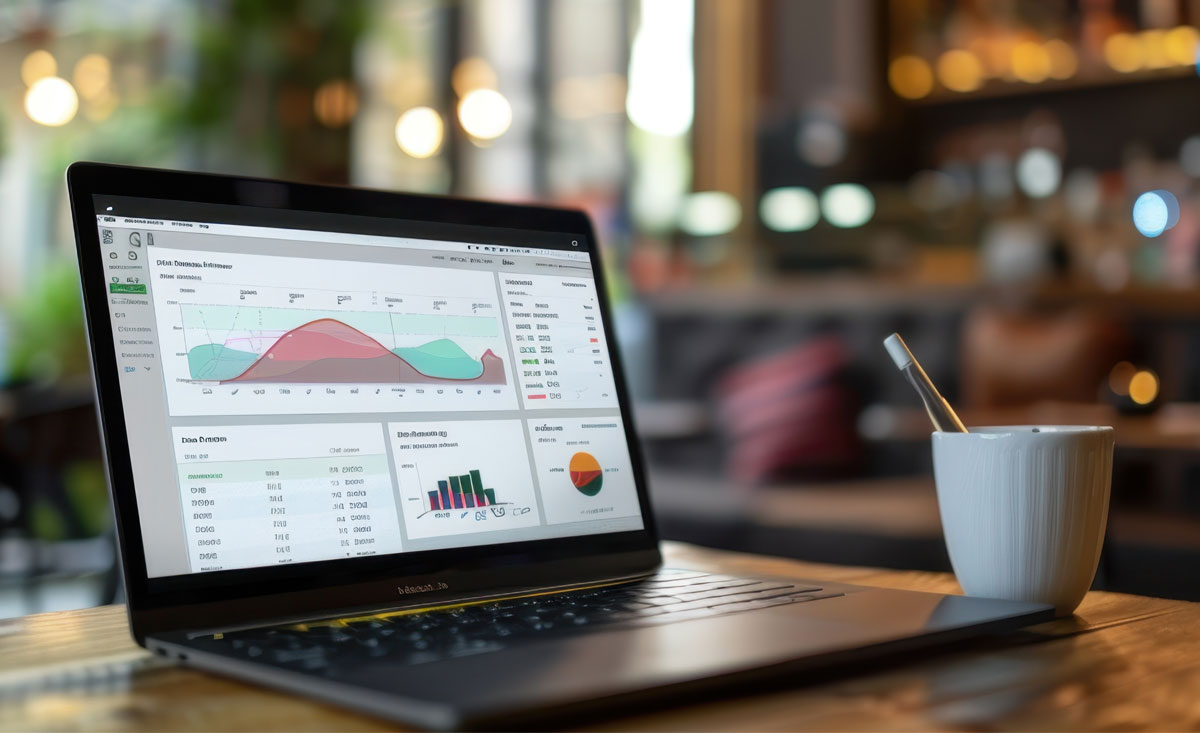
Reporting is much easier to act on when restaurant operators can clearly see when inventory doesn’t match sales, slower shifts were fully staffed, or promotions increased order volume without improving margins. Having restaurant POS analytics that are connected to a single system gives managers a way to compare sales, labor, inventory, and menu performance, helping eliminate guesswork around staffing, purchasing, pricing, and promotional decisions.
Where Restaurant POS Analytics Help Most
A busy Friday night and a slow Tuesday afternoon operate differently, from staffing needs to specials. Analytics help operators review top-selling items, comps and voids, and whether too many employees were scheduled relative to the volume of business. With analytics tied directly to the POS, managers can also break down performance by item, category, or shift and compare restaurant inventory levels against what was sold.
Reviewing Restaurant Sales Trends
Looking at item-level performance helps restaurants understand which menu items are driving sales, which ones are underperforming, and which items may need to be promoted, repriced, or removed based on demand.
- High-volume items reviewed against profit margins.
- Lower-selling menu items adjusted, repriced, or removed.
- Purchasing reduced around slower-selling products.
- Promotions adjusted around lunch, dinner, and seasonal demand.
Tracking Labor Against Sales
Restaurant labor costs can become harder to control when managers don’t have accurate data around busy and slower periods. Comparing labor against hourly and daily sales, reviewing staffing coverage by shift, and tracking trends will reveal gaps and patterns.
- Overtime reduced around specific shifts or scheduling patterns.
- Staffing adjusted during slower periods with lower sales volume.
- Additional coverage added during busy hours.
- Labor percentages reviewed against shift-level sales activity.
Using Sales Data to Increase Restaurant Revenue
Some menu items bring in larger tickets, while others sell frequently without contributing much to margins. Restaurant POS analytics make it easier to see what customers order most often, when spending increases, which items are commonly ordered together, and which menu items generate the most revenue. That information can then be used to adjust pricing, promotions, and menu decisions based on customer ordering behavior.
Adjusting Pricing & Promotions
Restaurants often run the same specials or discounts without knowing whether they support revenue goals. Sales data can show when certain offers increase traffic without improving margins, which menu items perform better at different price points, and whether promotions continue generating consistent order volume.
- Promotions adjusted when margins continue shrinking.
- Lower-performing menu items repriced or removed from promotions.
- High-performing items featured more during slower periods.
Identifying Customer Ordering Patterns
Many regulars order the same items every visit, while others return only during certain promotions or seasonal specials. Purchase history can reveal ordering habits, higher-spending customers, and which offers keep people coming back rather than generating one-time visits.
- Marketing offers tailored to customer ordering behavior.
- Promotions designed to encourage repeat visits.
- Restaurant customer loyalty is tied to offers customers use.
How POS Analytics Help Improve Restaurant Profitability
Food waste and rising costs become harder to control when inventory, sales, and ordering activity don’t align. Changes in ordering behavior, slower item movement, seasonal demand, and shifting sales trends can all affect the amount of inventory restaurants actually need on hand. Comparing inventory to sales activity can reveal overordering, spoilage, and purchasing patterns that continue to increase costs even as demand starts to change.
Aligning Restaurant Inventory with Sales
Restaurant inventory becomes harder to manage when purchasing decisions don’t reflect what’s been sold. Restaurant POS analytics make it easier to monitor stock levels, support reordering decisions based on sales, and identify when certain items are consistently overstocked or running low.
- Real-time visibility into what’s selling and what’s not.
- Stock levels adjusted around current demand.
- Reordering decisions supported by recent sales activity.
- Better coordination between purchasing, prep, and sell-through.
Reducing Overordering & Waste
Food costs increase when products are restocked, even when menu items aren’t selling. Waste patterns become easier to spot when inventory, sales, and purchasing data are reviewed together across different shifts, sales periods, and ordering trends.
- Purchasing adjusted for dead stock and lower-selling menu items.
- Unused or expired inventory identified before spoilage increases.
- Prep and purchasing adjusted around current sales demand.
Managing Restaurant Performance More Effectively
It doesn’t matter whether the restaurant is busy or slow — both shifts can lead to service delays, longer ticket times, and inefficiencies across the FOH and BOH. Restaurant POS analytics help identify recurring comps or voids, shifts with too many employees scheduled, and service issues that continue happening during busier periods. That information makes it easier to adjust staffing coverage, provide additional training, and place stronger employees on higher-volume shifts.
Making Better Decisions with Restaurant POS Analytics
Staffing shortages, inventory issues, and unexpected order spikes can all affect service and labor costs. Having access to restaurant analytics gives managers a clearer picture of ticket times, labor costs, kitchen bottlenecks, sales trends, and inventory usage across the restaurant. Restaurant POS analytics can help identify higher-performing menu items, track sales per labor hour, monitor inventory levels before items need to be 86’d, and compare promotions against labor costs and overall sales performance.
Building a More Profitable Restaurant
Margins are harder to manage when sales, labor, and inventory data sit in separate systems. Restaurant POS analytics connect the data so decisions aren’t based on guesswork. Instead of reacting to cost and performance issues after they show up in reporting, operators can adjust based on what’s happening in day-to-day operations. That leads to tighter cost control, more consistent performance, and stronger overall margins across the business. We work with restaurant operators to build POS setups that support those results as operations grow.